Context
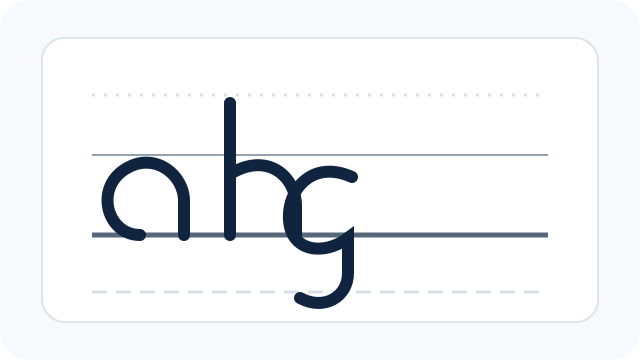
Uncial is a useful first broad-edge hand because its large rounded forms make pen angle, spacing and rhythm easy to observe. But “Uncial” covers historical variation, so a modern practice preset should be treated as a teaching starting point.
Start with rhythm, not decoration
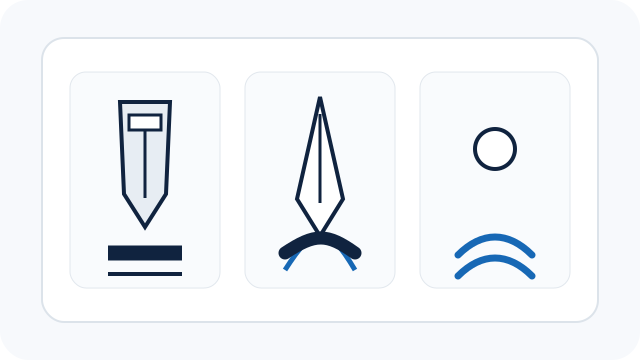
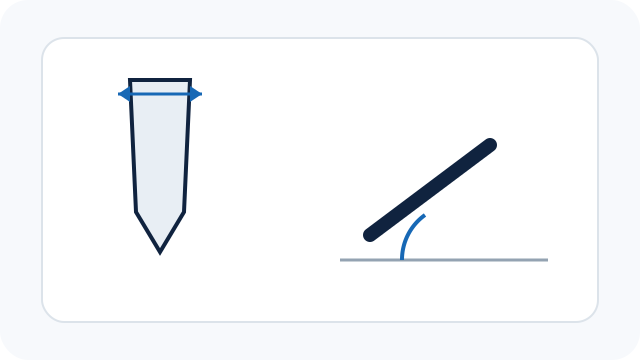
Use a broad edge, write slowly and look for repeated relationships: round bowls, verticals and consistent spacing. A practice height of a few nib widths gives enough room to see the edge working. CalligraphyToolkit’s Uncial preset begins at four nib widths and a 20° nib angle, but those are editable pedagogical values rather than claims about every manuscript.
Choose an exemplar
Maureen Peters includes Uncial in a beginner workbook alongside Italic, Foundational and Gothic; Sheila Waters also teaches Uncial and Half Uncial among several hands. A good exemplar matters more than memorising a single angle from an app.
Useful first letters
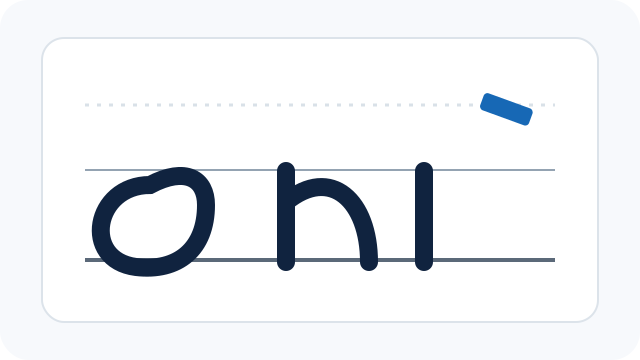
Round letters such as o, c and e reveal whether the pen edge and curvature are consistent. Then add letters with strong vertical or arch structures and finally combine them into short words, watching the white space as carefully as the ink.
Sources and further reading
- Maureen Peters — Calligraphy Workbook for Beginners (publisher page)
- Washington Calligraphers Guild — Sheila Waters
These notes are based on the sources below. For deeper study, check the original source and a good reference alphabet or teacher.