Context
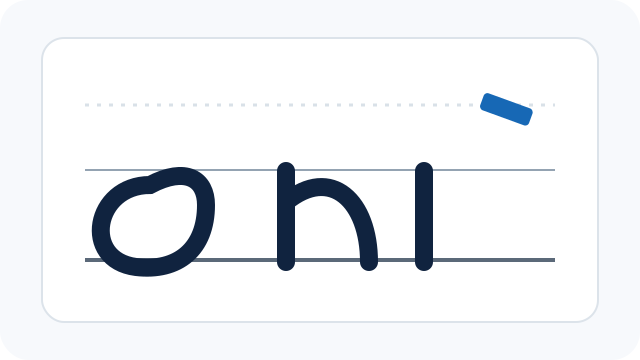
Choosing a script without considering the tool causes many beginner problems. The same movement produces different marks when the writing edge is flat, flexible or round.
Broad-edge / flat
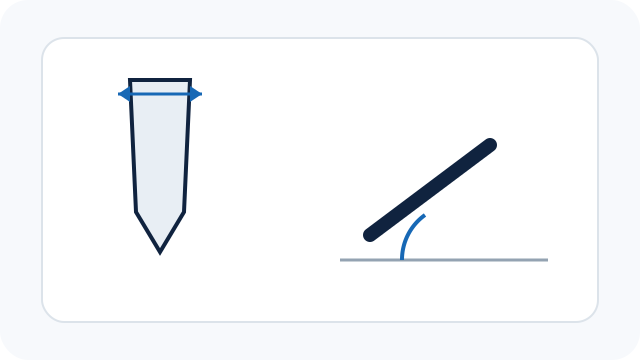
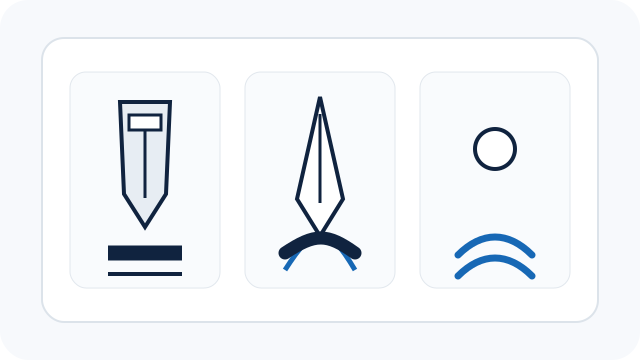
A broad edge produces thick and thin strokes mainly through the orientation of a flat writing edge. Pilot’s Parallel Pen is a modern example: two parallel plates create a flat writing surface and the product is sold in several measured widths. Uncial, Italic, Foundational and many Gothic hands are commonly taught with a broad edge.
Pointed / flexible
A pointed nib creates contrast through pressure and flex: the tines open under pressure and produce a wider stroke. Copperplate-style work therefore cannot be reduced to a single “nib width” in the same way as broad-edge geometry. Slant, pressure and the exemplar matter greatly.
Monoline / round
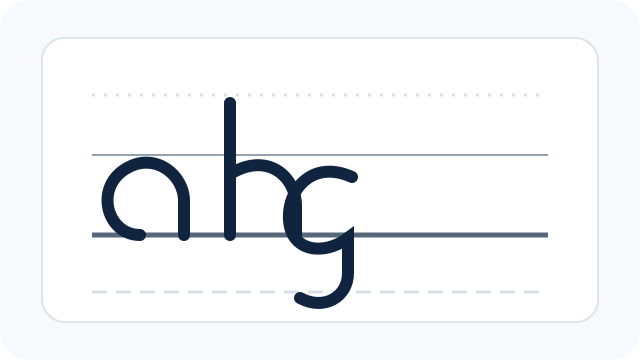
A round or relatively rigid point tends toward more even line weight. It can be useful for structural study, skeleton forms and everyday lettering, but it does not automatically reproduce the contrast of a broad-edge or flexible pointed tool.
Sources and further reading
These notes are based on the sources below. For deeper study, check the original source and a good reference alphabet or teacher.