Context
Shodō is Japanese brush calligraphy, and it should not be squeezed into Latin nib-width geometry. The brush changes line weight through movement, pressure, loading and contact with the paper.
The tool set
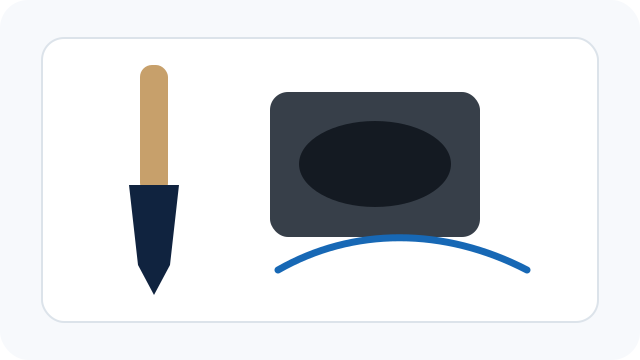
Kuretake’s Shodō catalogue groups traditional supplies around ink, brushes, inkstones, paper and accessories. The Metropolitan Museum’s discussion of Japanese writing boxes likewise describes brush, inkstick and inkstone as core writing tools and explains how water and grinding affect ink density.
Kanji and kana behave differently
Japanese calligraphy includes both kanji and kana traditions. Historical works show different uses of the brush tip and side depending on the script and desired effect. For a beginner, that means a grid can help with placement, but it does not teach brush handling by itself.
How CalligraphyToolkit helps
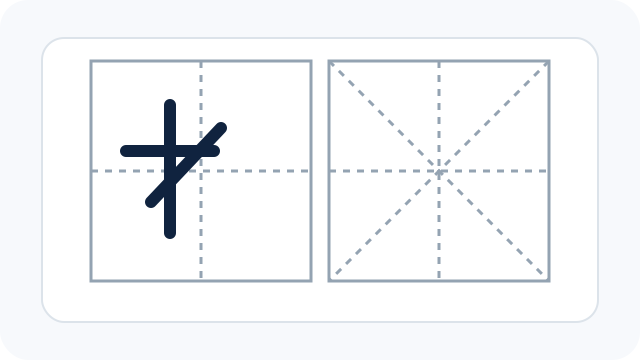
The Shodō mode provides plain square, cross, rice-style and vertical-column printable guides. These are neutral structural aids, not claims that one grid is the canonical Shodō format. Use them alongside a teacher, model book or verified exemplar.
Sources and further reading
These notes are based on the sources below. For deeper study, check the original source and a good reference alphabet or teacher.