Context
Chinese calligraphy is a brush tradition with its own materials, history and teaching practices. A printable grid can support structural observation, but the grid is not the calligraphy itself.
The Four Treasures
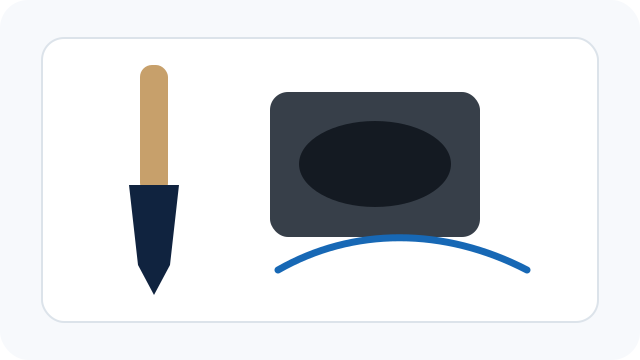
The Smithsonian National Museum of Asian Art identifies brush, inkstick, paper and inkstone as the Four Treasures of the Scholar’s Studio. Brush hair and resilience affect the mark; solid ink is traditionally ground with water on an inkstone before writing.
What the grids do
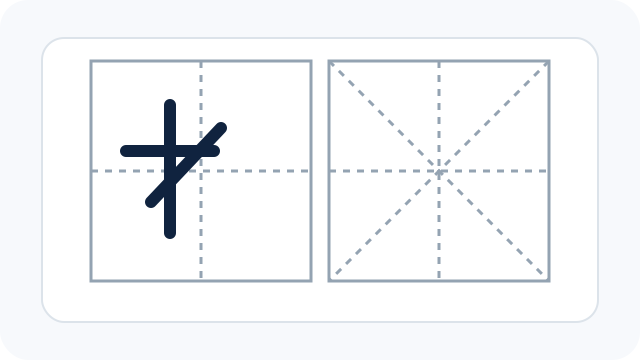
田-style grids divide a square with central vertical and horizontal guides. 米-style grids add diagonals, giving more directional references. Nine-palace grids divide the square into a 3×3 structure. These layouts help compare position, balance and proportion against an exemplar.
Use grids as references
CalligraphyToolkit can generate all three plus a plain square. Cell size is adjustable in millimetres. The default is simply a practical printable starting point; brush scale and character size should follow the model and exercise being studied.
Sources and further reading
- Smithsonian National Museum of Asian Art — Four Treasures of a Scholar's Studio
- PaperMe — Chinese character practice grids
These notes are based on the sources below. For deeper study, check the original source and a good reference alphabet or teacher.