Context
Paper is an active part of the writing system. A smooth, relatively controlled sheet may make a metal nib feel predictable; an absorbent brush paper can reveal speed, loading and pressure much more strongly.
Match paper to the tool
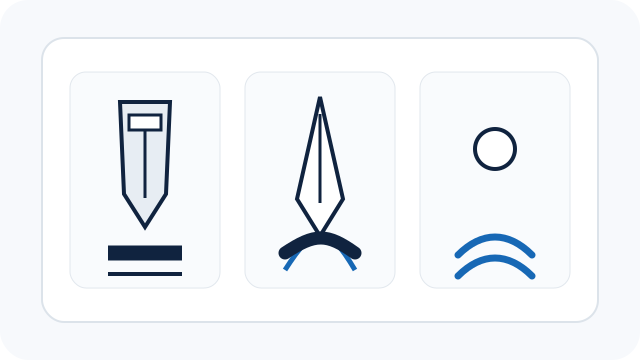
Peters’ beginner workbook treats pens, papers and inks as part of the technique rather than decoration. For metal-nib practice, the practical questions are whether the surface catches the nib, whether ink feathers, and whether repeated strokes remain visible enough to compare.
Brush traditions need their own paper knowledge
Chinese and Japanese traditions pair brush and ink with papers selected for specific effects. The Smithsonian includes paper among the Four Treasures of Chinese calligraphy, and Kuretake sells Shodō papers separately from brushes and inks. Absorbency is therefore part of the practice, not a defect to eliminate universally.
Printing guides
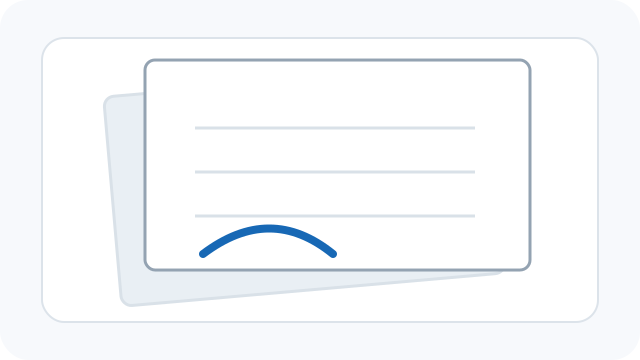
For printed CalligraphyToolkit sheets, choose paper your printer can feed reliably, print at 100%, and verify the 50 mm mark. If placing a translucent practice sheet over a model, remember that the surface under the paper can also affect the feel of the stroke.
Sources and further reading
- Maureen Peters — Calligraphy Workbook for Beginners (publisher page)
- Kuretake — Japanese Shodo tools
- Smithsonian National Museum of Asian Art — Four Treasures of a Scholar's Studio
These notes are based on the sources below. For deeper study, check the original source and a good reference alphabet or teacher.