Context
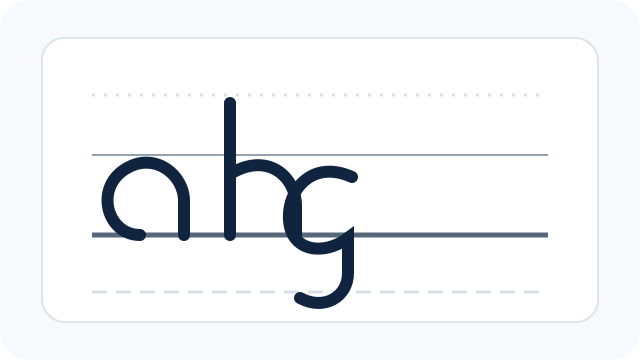
Foundational is not merely a generic “simple font”. It belongs to the modern calligraphic teaching tradition associated with Edward Johnston and is useful because its round, upright structure makes proportions and spacing easy to analyse.
A documented teaching hand
The Crafts Study Centre preserves a 1930 specimen of the Foundational Hand by Edward Johnston. The record describes it as a specimen prepared in the context of his teaching and notes how Johnston’s own foundational forms changed over time. That is a useful warning against treating one digital preset as immutable.
What to observe
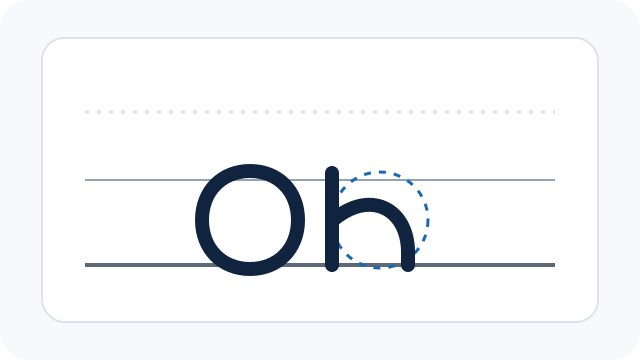
Look for round forms, vertical relationships, regular counters and even word colour. A broad edge makes the construction visible through controlled thick and thin strokes. Peters and Waters both include Foundational in instructional material.
Use the preset as a scaffold
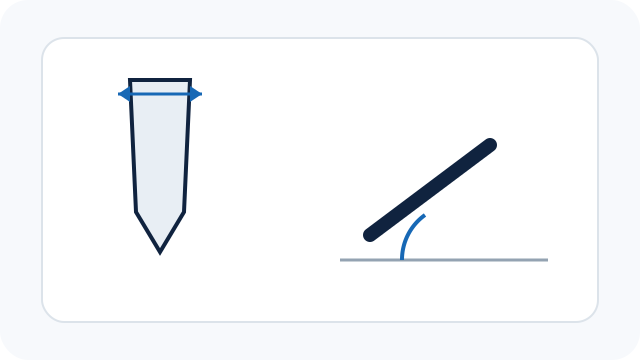
CalligraphyToolkit starts Foundational at four nib widths with an editable angle. Use that to print a first sheet, then change the values to match the exemplar or class you are actually following.
Sources and further reading
- Crafts Study Centre / VADS — Specimen of the Foundational Hand by Edward Johnston
- Washington Calligraphers Guild — Sheila Waters
- Maureen Peters — Calligraphy Workbook for Beginners (publisher page)
These notes are based on the sources below. For deeper study, check the original source and a good reference alphabet or teacher.